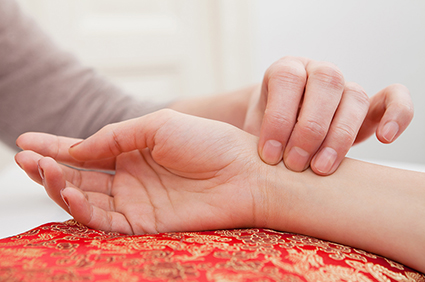
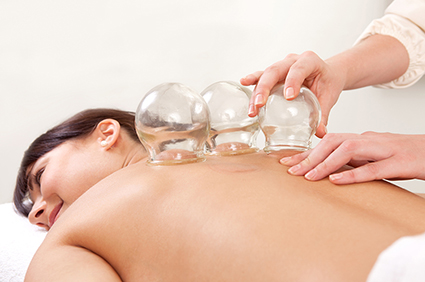
Acupuncture is a significant part of a boarder, 2500-year-old wellness focused system of health care, Traditional Chinese Medicine (TCM). It incorporates Acupuncture,Herbs, Moxabustion, Gui Sha, Cupping, Diet and Exercise to assist in the prevention ill health and promotion of healing.
There are number of forms and styles of acupuncture.For example; 5 element, Japanese, Korean and TCM to name a few. They are all based in a rich and extensive history with a large body knowledge accumulated over the centuries. Acupuncture originated in China.
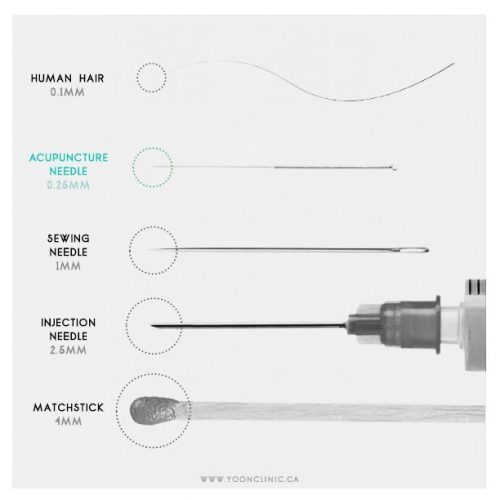
Acupuncture is a modality that utilities filoform needles, the majority made of stainless steel. They are extremely thin, often compared to a strand of hair.(Starting from 0.12mm in diameter)
In modern times acupuncture is best known for reducing muscular skeletal pain. There are many other maladies that acupuncture can assist with and there is an ever-expanding pool of clinical evidence to support this.
Strong evidence in clinical research supporting effectiveness: Pain
- Neck pain
- Back pain
- Osteoarthritis of knee
- Headaches migraine
- Sciatic
Emerging and moderate clinical research supporting effectiveness: Other
- Hay fever allergy
- Nausea and vomiting
- Menopause hot flushes
- Fertility
- Irritable bladder
- Prostatitis
- Anxiety
- Depression
- Insomnia
- Irritable bowel syndrome
Sources:
- https://www.nccih.nih.gov/health/acupuncture-effectiveness-and-safety
- https://www.hopkinsmedicine.org/health/wellness-and-prevention/acupuncture
- https://www.health.harvard.edu/pain/acupuncture-for-pain-relief-how-it-works-and-what-to-expect
How does acupuncture work
Scientifically speaking
There is evidence to show acupuncture stimulates the nervous system.
Creating the release of endogenous (in the body) neurotransmitters; endorphins, serotonin, cytokines signalling proteins and hormones which activate the analgesic, immune, hormonal responses.Reducing pain and inflammation and regulating the hormones.
It is also thought to elicit distinct patterns of neurological re-modelling involved in emotional regulation.
https://www.sciencealert.com/acupuncture-seems-to-rewire-the-brain-in-depression-scans-reveal
The Cancer council Australia also has information regarding acupuncture usage for chemotherapy induced sides effects that acupuncture can support patient through.
“Symptom Management: International clinical guidelines and Cancer Council information note that acupuncture can help manage joint pain from aromatase inhibitors, chemotherapy-induced nerve pain (peripheral neuropathy), cancer pain, fatigue, hot flushes, nausea, vomiting, anxiety, and trouble sleeping.”
Traditional Concepts
Through careful selection of one or more of the 361 standardized classical points. Along with 48 extra points. The World Health Organization (WHO) adopted a consensus of 361 points. The ancient texts describe even more up to 2000.
https://iris.who.int/server/api/core/bitstreams/3db35063-e694-463e-a8df-29c68b50a1e7/content
Life force or Qi is stimulated via the acupuncture needle and directed to flow through the 12 bilateral 2 central meridians. Tonifying or reducing each point via needle manipulation.
This activation allows the body to regulate itself.
Point selection is based on signs and symptoms, looking at the person, taking pulse and tongue diagnosis and the acupuncturist knowledge of Theory of Acupuncture.
It is a very individual specific treatment.
Two people may have the same complaint such as sinus, but the acupuncturist may use different point selection depending on the underlying patterns the person presents with.
Other areas of the body may be used to treat the injured area. For instance, if you have a sore shoulder, points may be selected on opposite leg, wrist, hip, abdomen, ear as well as local points.
Qualification Details
- Bachelor of Health Science Acupuncture, ACNM 2005
- Advanced Diploma of Health Science Acupuncture, ACNM 2004
- Certificate iv An Mo Tui Na, ACNM 2003
- Diploma of Applied Science Nursing, Monash University 1991
- Acupuncture for the cancer patient, MSKCC 2012
- Level I instructor, KRI 2010
- Viseral Manipulation: VM 1, Listening, MALE;
- Breath work MBBT 2013, 1st Breath 2023
- Bio-field Tunning 2023
- AACMA Member 2002
- AHPRA Member 2012